Lithium batteries power the devices we rely on every day, from smartphones and laptops to electric vehicles and medical equipment. But while these batteries are essential, they’re also classified as dangerous goods. Mishandling them can lead to catastrophic fires, regulatory fines, and reputational damage for logistics companies.
In fact, according to the International Air Transport Association (IATA), there were over 60 air cargo incidents in 2023 linked directly to lithium battery fires. Warehouses, freight forwarders, and shipping companies are now under increasing pressure to train their staff to manage these risks. This is where lithium battery handling training becomes essential.
Quick Answer: Why Training Is Essential
Lithium battery training equips warehouse and logistics teams with the knowledge to safely store, package, and ship lithium-ion and lithium-metal batteries. It ensures compliance with IATA and IMDG regulations, reduces fire risks, prevents costly shipment rejections, and protects staff safety.
Why Lithium Battery Training is Critical
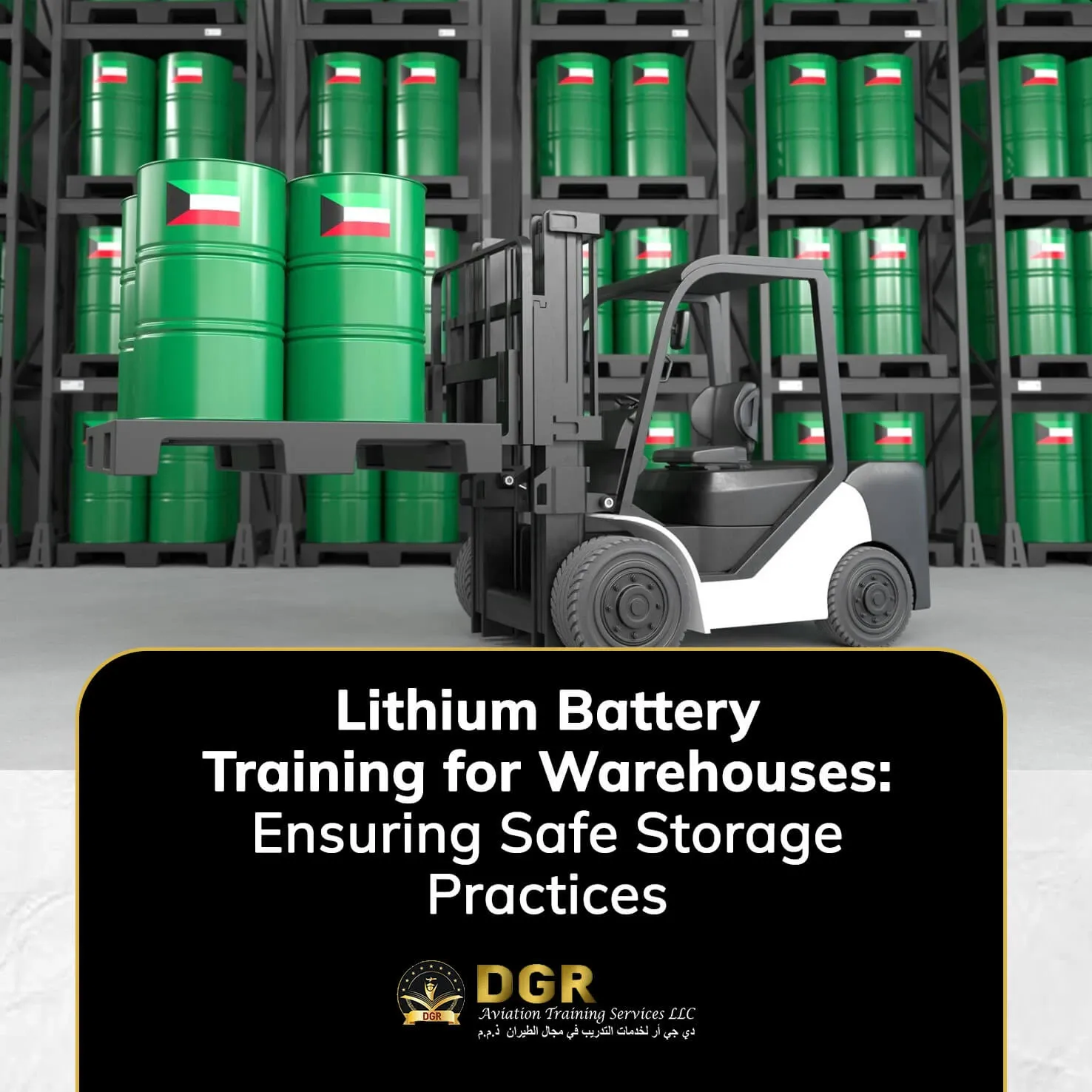
Lithium batteries are prone to overheating, short-circuiting, or even exploding when exposed to damage, improper packaging, or high heat. For warehouses storing electronics or automotive parts, a single mishandled pallet can put staff safety and millions of dollars’ worth of inventory at risk.
Consider this scenario: an e-commerce warehouse in Dubai is preparing a shipment of thousands of electronic devices with embedded lithium batteries. Without proper training, staff might fail to identify damaged units or incorrectly pack them, leading to ignition during air transport. With proper lithium battery handling training, employees learn to spot risks before they escalate, ensuring shipments are safe and compliant.
Compliance with International Standards
The logistics of lithium batteries are governed by strict international rules, and non-compliance can result in rejected shipments or hefty penalties:
- IATA (Air Transport): Requires certified staff to pack and label lithium batteries according to dangerous goods regulations.
- IMDG (Maritime Transport): Sets out packaging, labeling, and segregation requirements for sea freight.
- OSHA and UAE Civil Defense: Emphasize fire prevention and worker safety protocols in storage facilities.
For businesses in Dubai and across the GCC, ensuring staff complete lithium battery shipping training isn’t just about safety; it’s about meeting mandatory regulations that protect both people and supply chains.
Benefits for Warehouses and Logistics Companies
Proper training delivers tangible business benefits:
- Reduced Risk: Staff can confidently handle damaged or misdeclared shipments, lowering the risk of fires and workplace accidents.
- Cost Control: Fewer rejected shipments, insurance claims, and compliance penalties.
- Operational Efficiency: Trained teams speed up packing, labeling, and approvals, reducing delays in high-pressure logistics environments.
- Customer Confidence: Clients trust companies that demonstrate certified safety standards, especially when handling high-value or sensitive cargo.
When compared to the cost of a single cargo fire or rejected shipment, investing in lithium battery handling training is not just a safety measure; it’s a financial safeguard.
Real-World Applications Across Industries
Lithium batteries are everywhere, which means training has cross-industry relevance:
- E-commerce fulfillment centers are processing large volumes of consumer electronics.
- Automotive warehouses storing EV batteries and components.
- Airlines and freight forwarders manage dangerous goods cargo.
- Maritime logistics providers ship bulk quantities internationally.
Every sector that touches lithium batteries needs staff who understand how to keep them safe at every stage of the supply chain.
Conclusion
Lithium batteries may fuel our digital world, but without proper handling, they pose serious safety hazards. Certified lithium battery shipping training gives warehouses and logistics teams the knowledge to protect staff, safeguard cargo, and comply with international regulations.
In today’s global supply chain, investing in training isn’t just about compliance — it’s about resilience, reputation, and responsibility. For logistics companies in Dubai and beyond, the ROI of training is clear: fewer risks, fewer costs, and greater trust from clients.