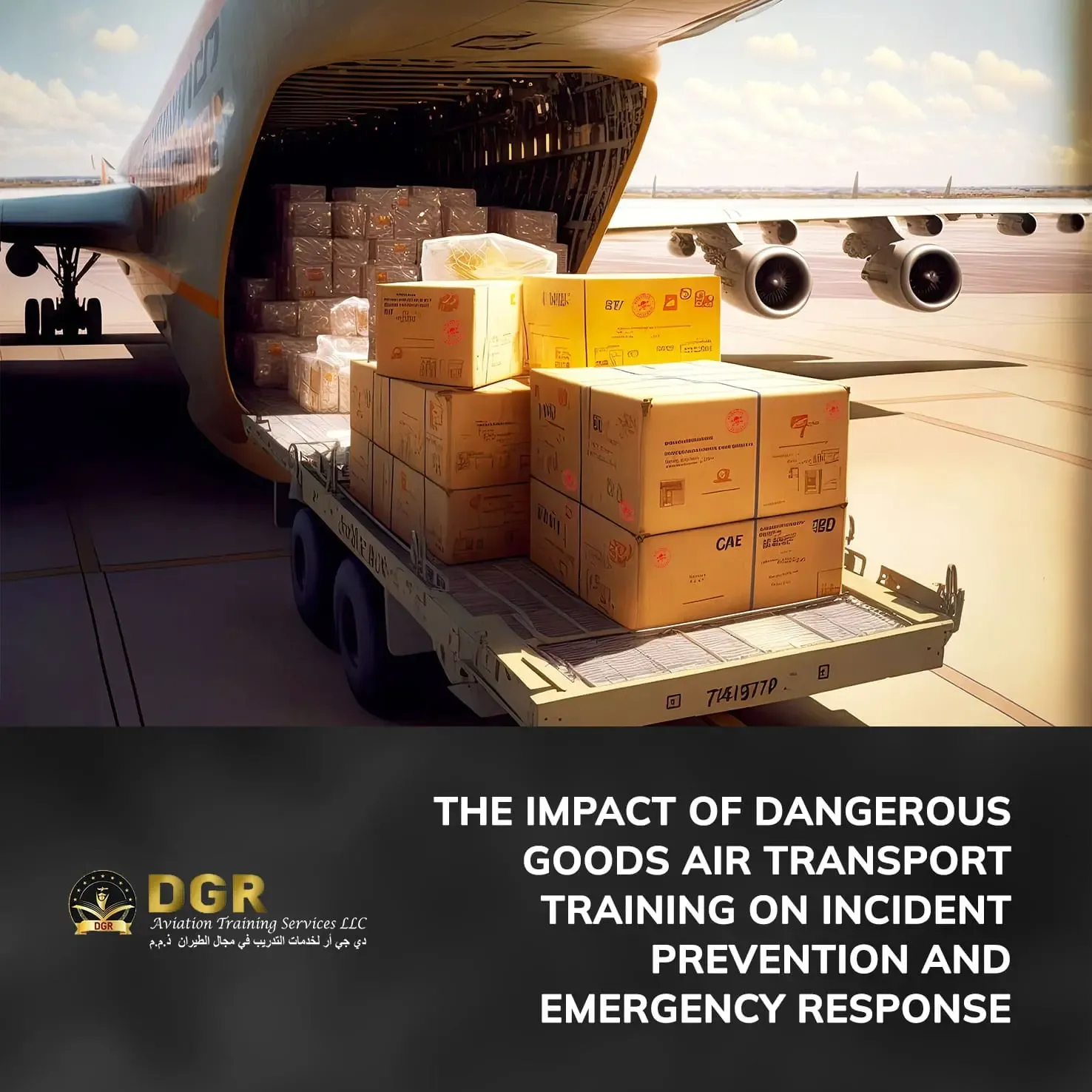
Air transportation of hazardous materials presents particular difficulties that call for specific expertise to protect passengers, crew, and the environment. A vast array of items, including volatile liquids and caustic compounds, are classified as dangerous commodities and must be handled with extreme caution. Let’s look at the significant impact of dangerous goods air transport training on incident prevention and emergency response within the aviation industry.
Dangerous goods present inherent risks during air transportation. Mishandling or inadequate preparation of these goods can lead to incidents such as leaks, fires, or explosions, posing severe threats to aircraft, personnel, and the surrounding environment.
The Importance of Specialized Training
Specialized training is required for aviation personnel, including ground handlers, loaders, and aircrew, to reduce the dangers involved with delivering dangerous commodities. With the help of this training, people will be able to handle, package, label, and transport risky commodities securely and in accordance with international rules.
This training places a strong emphasis on understanding the specific hazards associated with different classes of dangerous goods. Participants learn to identify, classify, and package these materials correctly, ensuring compliance with strict regulations. This knowledge serves as a powerful preventative measure, reducing the likelihood of incidents resulting from mismanagement or improper handling.
Despite preventive measures, the aviation industry recognizes the importance of being prepared for unforeseen circumstances. Dangerous goods air transport training includes comprehensive emergency response drills and procedures. Participants learn how to effectively respond to incidents such as leaks, spills, or fires, with a focus on minimizing harm and containing the situation swiftly and efficiently.
By instilling a deep understanding of the potential consequences of mishandling dangerous goods, training programs create a collective commitment to prioritizing safety in all aspects of air transportation.
Given the dynamic nature of the aviation industry and the continuous evolution of regulations surrounding dangerous goods, ongoing training is essential. Regular updates and refresher courses ensure that aviation professionals stay abreast of the latest standards and best practices, adapting their knowledge to meet the industry’s changing landscape.
The impact of this training is magnified by the collaborative efforts of industry stakeholders. Standardized training programs ensure consistency in knowledge and practices across the aviation sector, regardless of geographical location or airline affiliation. This collaborative approach enhances overall safety standards within the global aviation community.
Dangerous goods air transport training plays a pivotal role in incident prevention and emergency response within the aviation industry. By imparting specialized knowledge and skills, these training programs empower aviation professionals to handle dangerous goods with the utmost care and compliance. The commitment to ongoing training and the cultivation of a safety culture contribute to the industry’s ability to adapt to evolving regulations and maintain the highest standards of safety in the transportation of dangerous goods by air.