When working with potentially hazardous biological agents, it is crucial to prioritize the protection of employees. Safe handling requires diligent precautions to avoid any transmission and endangerment. A key part of the necessary infectious substances handling training involves careful consideration of available protective equipment suited to each role and associated risks. Only with proper provision and instruction can workers face potential dangers with a full understanding of how to shield themselves.
Illnesses resulting from contact with infectious substances span from mild to life-endangering. Therefore, preventing direct exposure is mission-critical. Through judicious selection of appropriate barriers for every duty, risks are reduced while allowing vital duties to proceed with confidence. Whether packaging shipments, moving materials, or other responsibilities, prioritizing protection preserves safety for all involved. With the right precautions and prudent planning, public health threats can be managed responsibly without threatening the health of personnel. IATA infectious substances training emphasizes the importance of using complete and correct PPE ensembles suitable for different risk levels.
Types of PPE
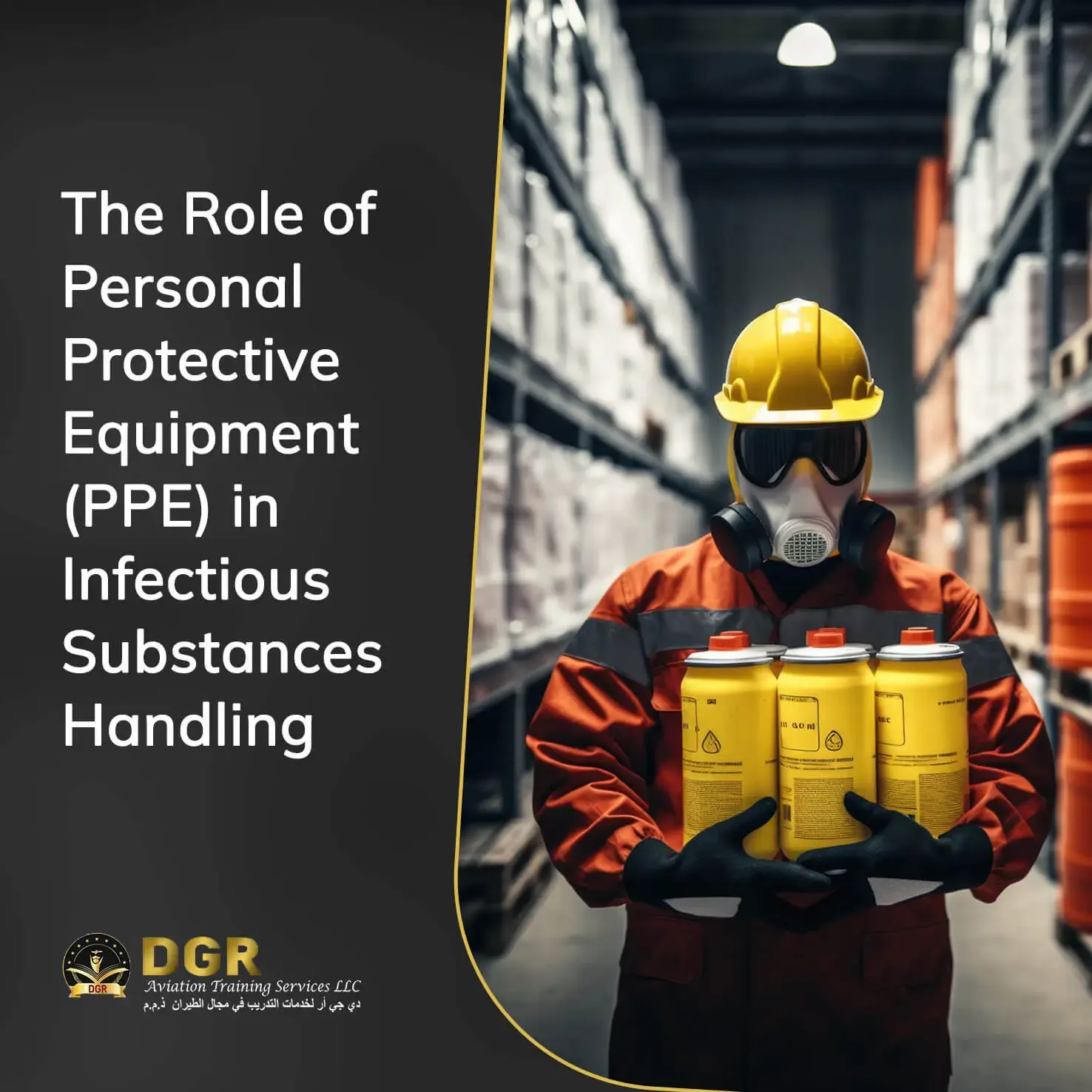
Common types of PPE used during infectious substance handling include gloves, goggles, face shields, protective suits, respiratory protection, and closed protective footwear. The type and specification of PPE equipment depends on the pathogens present and the anticipated exposure risk level as defined by the UN Model Regulations. For example, gloves are essential PPE but their material – latex, nitrile, etc. – depends on the substance handled. Proper PPE selection is an important part of any IATA infectious substances training program to protect workers effectively.
Importance of Proper Fit and Use
Even the best quality PPE is useless if it does not fit the user properly or is worn incorrectly. A few extra seconds taken for correct donning and doffing can make a huge difference in exposure risk. Personnel must be trained on proper fitting and wearing of each PPE item according to the manufacturer’s instructions. For instance, respirators will not form an adequate seal if facial hair interferes, compromising the user. IATA reinforces the importance of correctly using PPE for maximum protection.
Decontamination and Disposal
Used PPE can become contaminated and spread pathogens if not handled properly. They must be decontaminated using validated methods before disposal or reuse. Any tears, punctures, or leaks detected in used PPE also increase the infection risk. Disposable PPE like gloves and coveralls should be discarded after each use according to local biohazardous waste disposal regulations. Reusable PPE items like suits need thorough decontamination post-use, preferably using steam sterilization. Correct decontamination and disposal processes are important aspects covered as part of infectious substances handling training programs.
Properly selected and used PPE is absolutely essential for the safety of anyone involved in infectious substances handling, packaging, transportation, and associated operations. Comprehensive infectious substances handling training such as that recommended by IATA ensures personnel are fully aware of PPE requirements and usage to effectively protect themselves from exposure during their work. Regular assessment and refresher training help maintain high standards of compliance.